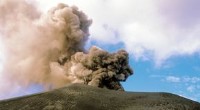
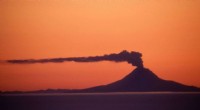
* Magma forms igneous rocks: Magma, molten rock found beneath the Earth's surface, cools and solidifies to form igneous rocks like granite, basalt, or obsidian.
* Sedimentary rocks form from weathering and erosion: Sedimentary rocks form from the breakdown and accumulation of pre-existing rocks (including igneous rocks) through weathering and erosion. These broken-down fragments, called sediments, are transported by wind, water, or ice and eventually deposited in layers.
* Compaction and cementation: Over time, the layers of sediment are compacted by the weight of overlying layers and cemented together by minerals dissolved in water. This process binds the sediments into solid rock.
Therefore, the process is as follows:
1. Igneous rock formation: Magma cools and solidifies into igneous rock.
2. Weathering and erosion: The igneous rock is broken down into sediments by weathering (chemical or physical breakdown) and erosion (transport of sediments).
3. Transportation and deposition: Sediments are transported by wind, water, or ice and deposited in layers.
4. Compaction and cementation: The sediment layers are compacted and cemented together, forming sedimentary rock.
Examples of sedimentary rocks: Sandstone, limestone, shale, and conglomerate are all examples of sedimentary rocks formed from the breakdown and accumulation of pre-existing rocks, including igneous rocks.