1. Geological Trenches:
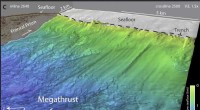
* Subduction Zones: Here, trenches are formed where one tectonic plate slides beneath another. This results in:
* Volcanoes: Magma generated by the subducting plate rises to the surface, creating volcanic arcs.
* Earthquakes: The process of subduction is very dynamic and leads to frequent earthquakes, some of which can be devastating.
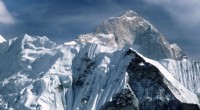
* Mountain Ranges: The pressure from the colliding plates can uplift the surrounding land, forming mountain ranges.
* Transform Faults: Where plates slide horizontally past each other, trenches can form along the fault line. This can result in:
* Earthquakes: The grinding of plates creates earthquakes along the fault.
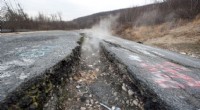
* Fault Scarps: Displaced landforms can form on either side of the trench.
* Erosion: Trenches can also be carved out by erosion from water, wind, or glaciers. This leads to:
* Canyons and Valleys: Deep, narrow valleys carved by rivers or glaciers.
* Sediment Transport: Erosion transports sediments from the trench into other areas.
2. Man-Made Trenches:
* Construction: Trenches are dug for infrastructure projects, like laying pipes, cables, or foundations. This can cause:
* Soil Disturbance: The digging process disrupts the soil structure, impacting vegetation and water drainage.
* Habitat Loss: Construction can destroy natural habitats for plants and animals.
* Erosion: Exposed soil is vulnerable to erosion, especially if not properly managed.
* Military: Trenches are dug for defensive purposes during warfare. They can lead to:
* Landscape Alteration: Permanent changes to the landscape.
* Environmental Contamination: Wartime activities can leave behind hazardous materials.
3. Other Impacts:
* Hydrology: Trenches can affect water flow, creating areas of water accumulation or drainage.
* Wildlife: Trenches can act as barriers, disrupting wildlife movement and habitat connectivity.
Overall:
Trench formation, whether natural or man-made, has significant impacts on the environment, including geological formations, ecosystem dynamics, and human activities. The specific effects depend on the context of the trench.