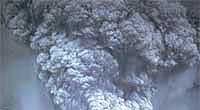
* Igneous Rocks: These are formed from the cooling and solidification of magma or lava. Examples include granite, basalt, and obsidian. Weathering processes like frost wedging, thermal expansion, and chemical reactions break down these rocks into smaller pieces.
* Sedimentary Rocks: These are formed from the accumulation and cementation of sediments. Examples include sandstone, limestone, and shale. While they are already made from sediments, they can be further weathered to form smaller, finer particles.
* Metamorphic Rocks: These are formed from existing igneous, sedimentary, or other metamorphic rocks that have been transformed by heat, pressure, or chemical reactions. Examples include marble, slate, and gneiss. Weathering processes can break down these rocks into their original components, like the minerals from which they were formed.
It's important to note that the type of weathering process that occurs will depend on factors like climate, the rock's composition, and the presence of other materials. For instance, chemical weathering is more prominent in humid climates, while physical weathering is more dominant in cold climates with freeze-thaw cycles.