Water, as we know it, is a compound made of two hydrogen atoms and one oxygen atom (H₂O). Its formation is a complex process that occurred over billions of years and is still happening today:
1. Early Earth: The Earth formed from a swirling cloud of dust and gas. The early Earth was extremely hot and lacked an atmosphere.
2. Volcanic Outgassing: As the Earth cooled, volcanoes erupted releasing gases like water vapor, carbon dioxide, and nitrogen into the atmosphere.
3. Condensation and Precipitation: As the Earth cooled further, the water vapor condensed and formed clouds. The water eventually fell back to Earth as rain, forming oceans and lakes.
4. Continued Formation: Water is still being released into the atmosphere through volcanic eruptions, and it is also constantly being recycled through the water cycle.
Land formation is a dynamic process driven by various geological forces:
1. Plate Tectonics: The Earth's crust is divided into plates that constantly move and interact.
* Convergent Boundaries: Plates collide, resulting in mountains, volcanic arcs, and trenches.
* Divergent Boundaries: Plates move apart, creating mid-ocean ridges and rift valleys.
* Transform Boundaries: Plates slide past each other, causing earthquakes.
2. Erosion: Weathering, wind, water, and ice break down rocks and soil, shaping the land.
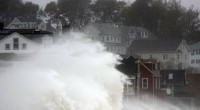
* Water Erosion: Rivers carve canyons and valleys, while waves erode coastlines.
* Wind Erosion: Wind carries sand and dust, creating dunes and deserts.
* Glacial Erosion: Glaciers carve valleys, polish rocks, and deposit sediment.
3. Deposition: Erosion carries sediment, which is deposited in new locations, building up landforms.
* River Deltas: Rivers deposit sediment at their mouths, forming deltas.
* Sandbars: Waves deposit sand along coastlines, forming sandbars.
* Glacial Moraines: Glaciers deposit rocks and sediment at their edges, forming moraines.
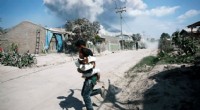
4. Volcanism: Volcanoes erupt, releasing lava and ash that can create new landforms.
5. Impact Events: Large meteorites can create craters and even entire mountain ranges.
These processes work together to create the diverse landscapes we see on Earth, constantly shaping and reshaping the surface over time.