1. Weathering and Erosion:
* Physical Weathering: This involves the breakdown of rocks into smaller pieces without any chemical changes.
* Frost Wedging: Water seeps into cracks in rocks, freezes and expands, putting pressure on the rock and eventually breaking it apart.
* Thermal Expansion and Contraction: Different temperatures cause rocks to expand and contract, leading to stress and eventual fracturing.
* Abrasion: Rocks are ground down by friction from windblown sand, water, or glacial movement.
* Chemical Weathering: This involves the breakdown of rocks through chemical reactions.
* Dissolution: Rainwater, which is slightly acidic, can dissolve certain types of rock, like limestone.
* Oxidation: Iron in rocks can react with oxygen, forming rust and weakening the rock.
2. Glacial Erosion:
* Plucking: As glaciers move, they pick up rocks and boulders embedded in their base and carry them away.
* Abrasion: Glaciers also scrape and grind rocks against each other, creating smaller boulders and sediment.
3. Volcanic Activity:
* Lava Flows: Volcanic eruptions can produce large blocks of solidified lava, known as "lava bombs."
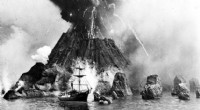
* Pyroclastic Flows: These are hot, fast-moving currents of ash and gas that can transport large boulders.
4. Mass Wasting:
* Landslides: Large masses of rock and soil can slide down slopes, breaking apart into boulders.
5. River Action:
* Erosion: Rivers can carve out channels and carry boulders downstream.
* Deposition: When rivers slow down, they deposit the boulders they have carried.
6. Impact Events:
* Meteorite Impacts: Large impacts can create craters and shatter rocks into boulders.
It's important to note that a combination of these processes often leads to the formation of boulders. The specific processes involved will depend on the type of rock, the climate, and the geological history of the area.