1. Subduction:
* Denser Plate Sinks: The denser oceanic plate bends and slides beneath the less dense plate. This process is called subduction. The descending plate, called the subducting plate, plunges into the Earth's mantle.
* Trench Formation: The bending of the subducting plate creates a deep depression in the ocean floor called a subduction zone trench. These trenches are the deepest parts of the ocean, with the deepest one being the Mariana Trench.
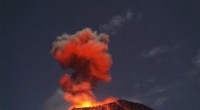
* Volcanic Arc Formation: As the subducting plate descends, it melts partially due to the heat and pressure. The melted rock, called magma, rises to the surface, creating volcanoes. These volcanoes often form a line of islands or a mountain range called a volcanic arc, parallel to the trench.
2. Earthquake Activity:
* Fault Zones: Subduction zones are areas of intense tectonic activity. The movement of the plates along the subduction zone creates faults, which are breaks in the Earth's crust.
* Earthquakes: The friction between the plates, along with the release of pressure as the plates move, generates powerful earthquakes. These earthquakes can be some of the strongest in the world.
3. Other Features:
* Accretionary Prism: As the subducting plate moves, sediments and rocks from the ocean floor can be scraped off and piled up at the edge of the overriding plate, creating a wedge-shaped structure called an accretionary prism.
* Back-Arc Basins: Sometimes, the subduction process can cause the overriding plate to stretch and thin, creating a depression behind the volcanic arc called a back-arc basin. This basin can be filled with water, forming a new sea or ocean.
Examples:
* The Pacific Ring of Fire: The most dramatic example of oceanic-oceanic convergence is the Pacific Ring of Fire. This zone encircles the Pacific Ocean and is characterized by a chain of volcanoes, deep trenches, and frequent earthquakes.
* The Andes Mountains: The Andes Mountains in South America are a classic example of an Andean-type margin, where an oceanic plate subducts beneath a continental plate.
In Summary:
Oceanic-oceanic convergence is a powerful force that shapes the Earth's surface. It creates dramatic features like deep trenches, volcanic arcs, and earthquake zones. This process plays a vital role in the constant evolution of our planet.