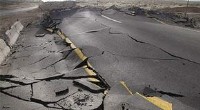
* Uniformitarianism: This principle states that the geological processes we observe today have been operating at similar rates and intensities throughout Earth's history. In other words, the "present is the key to the past."
* Erosion and Mountain Formation: Mountains are formed by tectonic uplift, a process that takes place over millions of years. Once formed, mountains are constantly eroded by wind, rain, ice, and other natural forces. This erosion breaks down rocks, transports them away, and ultimately shapes the landscape.
* The Connection: The ongoing erosion of mountains demonstrates that the forces responsible for their formation (tectonics) are still active today. The same processes that created the mountains are still at work, shaping the landscape. By observing erosion in action, we can infer that similar processes were operating in the past, leading to the formation of ancient mountains that have long since been eroded away.
In summary:
* Mountains are formed by tectonic activity, a process that operates today and has operated throughout Earth's history.
* Erosion continuously acts on mountains, breaking them down and transporting the material away.
* The erosion process is an observable, ongoing phenomenon.
* By observing present-day erosion, we can infer similar processes in the past, supporting uniformitarianism.
The erosion of mountains serves as a tangible example of how the Earth's surface is constantly changing due to geological processes that have been in operation for millions of years. This understanding allows geologists to reconstruct Earth's history by studying the rock record and understanding the processes that shape our planet.