1. Tectonic Activity:
* Plate Tectonics: The Earth's crust is divided into massive plates that constantly move and interact with each other. These interactions cause various geological phenomena like:
* Mountain Building (Orogeny): When plates collide, they can push up mountains, like the Himalayas.
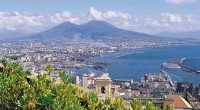
* Volcanism: When plates separate or one plate subducts under another, magma can rise to the surface, causing volcanic eruptions.
* Earthquakes: The movement of tectonic plates along fault lines can cause earthquakes.
* Faulting: The crust can fracture and break along lines called faults, resulting in displacement of rocks and sometimes causing earthquakes.
2. Weathering and Erosion:
* Weathering: The breakdown of rocks, soil, and minerals through physical and chemical processes caused by factors like rain, wind, ice, temperature changes, and chemical reactions.
* Erosion: The transport of weathered material by forces like wind, water, and ice, leading to the shaping of landscapes and the formation of sedimentary deposits.
3. Sedimentation and Deposition:
* Sedimentation: The process of particles settling and accumulating in layers, forming sediments.
* Deposition: The process where sediments are dropped or deposited in new locations, often in layers, forming sedimentary rocks.
4. Igneous Activity:
* Volcanic Activity: As mentioned earlier, magma can rise from the mantle and erupt onto the Earth's surface, forming volcanoes and producing igneous rocks.
* Intrusive Igneous Activity: Magma can solidify beneath the surface, forming intrusive igneous rocks like granite.
5. Metamorphism:
* Metamorphism: Existing rocks can be transformed into new rocks by heat, pressure, or chemically active fluids, resulting in changes in their mineralogy and texture.
6. Mineral Formation and Resource Extraction:
* Mineral Formation: Various minerals form in the crust through a variety of processes, including crystallization from magma, precipitation from water, and biological activity.
* Resource Extraction: Human activities, like mining, extract valuable minerals and resources from the crust, which are used in various industries.
7. Human Impacts:
* Construction and Infrastructure: Humans alter the landscape by building structures, roads, and other infrastructure, which can have significant effects on the crust.
* Pollution and Contamination: Human activities can pollute the soil and water, affecting the composition and stability of the crust.
These are just some of the many processes that occur in the Earth's crust, making it a fascinating and complex layer that constantly shapes our planet.