* Earthquakes: Earthquakes occur primarily along plate boundaries where the plates are interacting. These interactions can be:
* Convergent: Plates colliding (subduction zones, continental collisions).
* Divergent: Plates pulling apart (mid-ocean ridges).
* Transform: Plates sliding past each other (transform faults).
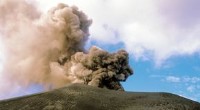
* Volcanoes: Volcanoes are most common along plate boundaries, particularly at convergent boundaries where subduction is occurring. The subducting plate melts, producing magma that rises to the surface.
Other features that help outline plate boundaries:
* Mid-ocean ridges: These underwater mountain ranges mark divergent plate boundaries where new crust is being created.
* Ocean trenches: Deep depressions in the ocean floor formed at convergent boundaries where one plate is being pulled beneath another.
* Fold mountains: These mountain ranges are formed at convergent boundaries where continents collide.
* Magnetic striping: Patterns of alternating magnetic polarity on the seafloor provide evidence of seafloor spreading and plate movement.
Limitations:
While these features are excellent indicators of plate boundaries, it's important to note:
* Plate boundaries are not always clear-cut. There can be zones of complex interactions and transitions between different types of boundaries.
* Not all earthquakes and volcanoes occur at plate boundaries. Some can occur within plates due to intraplate stresses.
In summary: Mapping the locations of earthquakes, volcanoes, and other geological features provides the most comprehensive and effective way to outline the edges of lithospheric plates.