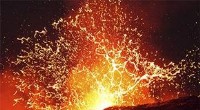
* Igneous rocks: These are formed from cooled and solidified magma or lava. Examples include granite, basalt, and obsidian.
* Metamorphic rocks: These are formed when existing rocks (igneous, sedimentary, or even other metamorphic rocks) are transformed by heat, pressure, or chemical reactions. Examples include marble, slate, and gneiss.
* Other sedimentary rocks: Yes, even pre-existing sedimentary rocks can be broken down and reformed into new sedimentary rocks.
The process:
1. Weathering: Rocks are broken down into smaller pieces by wind, rain, ice, or biological activity.
2. Erosion: These broken pieces, called sediments, are transported by wind, water, or ice.
3. Deposition: The sediments settle down in layers, often in a body of water like a lake or ocean.
4. Compaction: The weight of overlying layers presses the sediments together, squeezing out water and air.
5. Cementation: Minerals dissolved in groundwater precipitate between the sediment grains, binding them together to form solid rock.
So, in essence, sedimentary rocks are like a giant puzzle made up of pieces from all the other rock types!