Igneous Rocks:
* Granite: A hard, light-colored rock often found in mountainous areas.
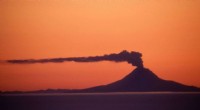
* Basalt: A dark-colored, volcanic rock commonly found in areas with past volcanic activity.
* Gabbro: A dark-colored, coarse-grained igneous rock.
Sedimentary Rocks:
* Sandstone: Formed from cemented sand grains.
* Conglomerate: A rock composed of rounded gravel cemented together.
* Shale: A fine-grained, layered sedimentary rock.
* Limestone: A sedimentary rock formed from calcium carbonate.
Metamorphic Rocks:
* Schist: A metamorphic rock with a layered or foliated structure.
* Gneiss: A metamorphic rock with a banded or layered appearance.
* Marble: A metamorphic rock formed from limestone.
Other:
* Glacial Till: A mixture of unsorted rock fragments deposited by glaciers.
* Outcrops: Exposed bedrock that has not been covered by soil or vegetation.
Factors Influencing Rock Types:
* Geological History: Past geological events, such as volcanic activity, glaciation, and tectonic plate movements, have shaped the rock formations in the tundra.
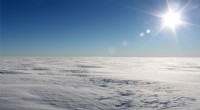
* Climate: The cold, harsh climate of the tundra has contributed to weathering and erosion processes, shaping the landscape and revealing different rock types.
* Erosion: Wind and water erosion can expose underlying rock layers.
Specific Tundra Regions:
* Arctic Tundra: Often characterized by granite, basalt, and sedimentary rocks like sandstone and shale.
* Alpine Tundra: May have a greater variety of rock types due to its mountainous terrain, including metamorphic rocks like schist and gneiss.
It's important to note that the presence and abundance of specific rock types in the tundra vary greatly depending on the location.