Soil, the foundation of terrestrial life, isn't just dirt. It's a complex, dynamic system created over millennia by the interaction of five key factors:
1. Parent Material: The starting point for soil is bedrock, weathered into smaller fragments. This material's mineral composition influences the soil's chemical properties.
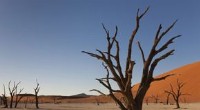
2. Climate: Temperature, rainfall, and wind patterns all play a role. Warm, wet climates encourage faster weathering and decomposition, while dry, cold climates create thinner, less fertile soils.
3. Organisms: From microscopic bacteria and fungi to earthworms and larger animals, living things contribute to soil formation by:
* Decomposition: Breaking down organic matter into nutrients.
* Mixing: Disturbing the soil, creating channels and improving aeration.
* Nutrient cycling: Releasing and absorbing nutrients from the soil.
4. Topography: The shape of the land affects soil formation. Steep slopes experience greater erosion, while flat areas allow for thicker soil development.
5. Time: Soil formation is a slow process, with significant changes taking place over centuries or even millennia. The longer the time, the more developed the soil.
The Soil Formation Process:
1. Weathering: Parent material is broken down by physical forces (like freezing/thawing) and chemical reactions (like acid rain).
2. Biotic activity: Organisms decompose organic matter, adding nutrients and altering soil structure.
3. Horizon development: Different layers (horizons) form as organic matter accumulates, minerals leach, and various processes occur.
4. Mature soil: A stable, well-developed soil profile emerges, supporting a diverse ecosystem.
Types of Soils:
* Sand: Coarse particles, good drainage, low nutrient content.
* Clay: Fine particles, poor drainage, high nutrient content.
* Loam: A mixture of sand, clay, and silt, considered ideal for plant growth.
* Peat: Decomposed organic matter in waterlogged areas.
Importance of Soil:
* Foundation for agriculture: Provides nutrients and support for plants.
* Habitat for biodiversity: Hosts a vast array of organisms, contributing to ecosystem health.
* Water filtration: Filters and purifies water.
* Carbon storage: Plays a crucial role in regulating climate change.
Threats to Soil:
* Erosion: Loss of topsoil due to wind, water, and human activities.
* Pollution: Contamination by chemicals, waste, and other pollutants.
* Deforestation: Removal of trees leaves soil exposed and vulnerable.
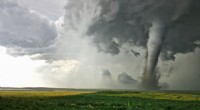
* Climate change: Extreme weather events and altered precipitation patterns affect soil formation.
Protecting Soil:
* Sustainable agriculture: Minimizing tillage, using cover crops, and practicing crop rotation.
* Reforestation: Planting trees to protect soil from erosion and enhance its health.
* Waste management: Proper disposal of waste to prevent soil contamination.
* Education and awareness: Understanding the importance of soil and adopting practices that protect it.