Minerals:
* Definition: Naturally occurring, solid, inorganic substances with a definite chemical composition and a characteristic crystal structure.
* Basic building blocks: Minerals are the fundamental building blocks of rocks.
* Examples: Quartz, feldspar, mica, calcite, diamond, gold.
* Characteristics:
* Definite chemical composition: Each mineral has a specific chemical formula (e.g., quartz is SiO2).
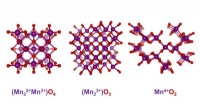
* Crystalline structure: Atoms are arranged in a repeating, three-dimensional pattern.
* Physical properties: Each mineral has unique properties like hardness, color, cleavage, and luster.
Rocks:
* Definition: A solid, naturally occurring aggregate of one or more minerals.
* Made of minerals: Rocks are formed by the combination of different minerals.
* Examples: Granite, basalt, limestone, sandstone.
* Characteristics:
* Variable composition: Rocks can be made of different combinations and proportions of minerals.
* No definite chemical composition: The chemical composition of a rock can vary depending on the minerals it contains.
* Texture: Rocks have different textures based on how the minerals are arranged (e.g., coarse-grained, fine-grained).
* Formation: Rocks form through various geological processes:
* Igneous rocks: Formed from the cooling and solidification of magma or lava.
* Sedimentary rocks: Formed from the accumulation and cementation of sediments.
* Metamorphic rocks: Formed when existing rocks are transformed by heat, pressure, or chemical reactions.
In short:
* Minerals are the ingredients, and rocks are the recipes.
* Minerals have a specific chemical composition and crystal structure, while rocks are a mixture of minerals.
* Minerals are the building blocks of rocks.