1. Water Erosion: This is the most common type of erosion. Rain, rivers, lakes, and oceans all have the power to wear away soil and rock.
* Rainsplash: The impact of raindrops can dislodge soil particles.
* Sheet erosion: Water flows over the land in a thin sheet, carrying away topsoil.
* Rill erosion: Small channels form as water concentrates, creating gullies.
* Gully erosion: Larger channels form, cutting deeply into the land.
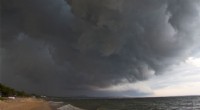
* Coastal erosion: Waves and tides wear away coastlines.
2. Wind Erosion: Wind can pick up and transport loose soil particles, especially in arid or semi-arid regions.
* Deflation: Wind removes loose particles, leaving behind coarser materials.
* Abrasion: Windblown particles can act like sandpaper, grinding down surfaces.
3. Glacial Erosion: Massive glaciers can carve out valleys and transport huge amounts of rock and sediment.
* Plucking: Melting water freezes in cracks, expanding and breaking off rock.
* Abrasion: Glacial ice, carrying rocks and debris, grinds down the bedrock.
4. Biological Erosion: Living organisms can contribute to erosion.
* Plant roots: Roots can break up rocks and contribute to soil loosening.
* Burrowing animals: Animals like earthworms and moles create tunnels that can expose soil to erosion.
* Human activities: Deforestation, agriculture, and construction can accelerate erosion.