1. Igneous Rocks:
* Magma Cooling: Molten rock (magma) beneath the Earth's surface cools and solidifies, forming igneous rocks like granite, basalt, and obsidian.
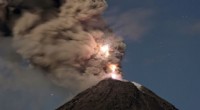
* Lava Cooling: Molten rock (lava) erupts onto the Earth's surface and cools, forming igneous rocks like rhyolite, scoria, and pumice.
2. Sedimentary Rocks:
* Weathering and Erosion: Existing rocks (igneous, sedimentary, or metamorphic) are broken down by wind, water, and ice into smaller pieces called sediment.
* Transportation: Sediments are transported by wind, water, or ice and deposited in layers.
* Compaction and Cementation: Over time, layers of sediment are compacted by the weight of overlying material, and dissolved minerals within the water seep between the grains, acting as a cement to bind them together, forming sedimentary rocks like sandstone, limestone, and shale.
3. Metamorphic Rocks:
* Heat and Pressure: Existing igneous or sedimentary rocks are subjected to intense heat and pressure deep within the Earth's crust, causing changes in their mineral composition and texture, forming metamorphic rocks like marble, slate, and gneiss.
The Rock Cycle is a continuous process:
* Igneous rocks can be weathered and eroded to form sediments that form sedimentary rocks.
* Sedimentary rocks can be buried deep within the Earth and transformed by heat and pressure into metamorphic rocks.
* Metamorphic rocks can be melted back into magma, restarting the cycle, or they can be uplifted and exposed to weathering and erosion, again becoming sediments.
In summary: The rock cycle is a dynamic process where rocks constantly transform from one type to another through processes of cooling, weathering, erosion, compaction, cementation, heat, and pressure.