1. Human Activities and the Environment:
* Land use and land cover change: How do human activities like agriculture, urbanization, and deforestation impact the landscape and ecosystems?
* Environmental pollution: What are the sources, pathways, and impacts of various types of pollution (air, water, soil) on human health and the environment?
* Climate change: How do human activities contribute to climate change, and how do they impact different regions and ecosystems?
* Natural resource management: How can we sustainably manage resources like water, forests, and minerals to meet human needs without harming the environment?
2. Environmental Processes and Hazards:
* Geomorphological processes: How do natural processes like erosion, weathering, and landslides shape the Earth's surface, and how do they impact human settlements and infrastructure?
* Hydrological processes: How do water cycles, droughts, floods, and water scarcity impact human populations and ecosystems?
* Atmospheric processes: How do weather patterns, climate change, and extreme weather events affect human societies and environments?
* Biodiversity and ecosystem services: How do human activities impact biodiversity, and what are the consequences for ecosystem services like pollination, water filtration, and carbon sequestration?
3. Environmental Issues and Solutions:
* Environmental justice: How do environmental problems disproportionately affect certain communities based on race, class, or location?
* Sustainable development: How can we develop economic activities in a way that meets the needs of the present generation without compromising the ability of future generations to meet their own needs?
* Environmental policy and governance: What are the most effective ways to address environmental issues through policy, legislation, and international cooperation?
4. Using Geographic Tools and Techniques:
* Geographic Information Systems (GIS): Environmental geographers use GIS to analyze spatial data and create maps that visualize environmental patterns and relationships.
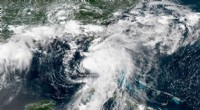
* Remote sensing: They use satellite imagery and aerial photography to monitor environmental change over time.
* Field research: They conduct fieldwork to collect data on environmental conditions and human-environment interactions.
In summary, environmental geographers use their understanding of geography, ecology, and social science to address critical environmental issues and promote sustainable development.