1. Volcanic Origins:
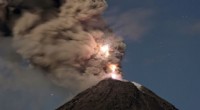
* Young Soils: Hawaii's islands are relatively young, formed by volcanic eruptions. This means the soils are also young, with less time for weathering and decomposition.
* Mineral Rich: Volcanic rocks are rich in minerals like iron, magnesium, and calcium, contributing to the soil's fertility.
* Varying Texture: Soils can range from fine-grained clays to coarse, rocky textures, depending on the volcanic material and weathering processes.
2. Climate & Rainfall:
* High Rainfall: The islands receive heavy rainfall, leading to rapid weathering and leaching of nutrients.
* Lateritic Soils: In some areas, this heavy rainfall contributes to the formation of lateritic soils, which are rich in iron and aluminum oxides, giving them a reddish color.
* Erosion: The heavy rainfall and steep slopes can also cause erosion, leading to soil loss.
3. Unique Characteristics:
* High Phosphorus: Volcanic soils are naturally high in phosphorus, a key nutrient for plant growth.
* Low Organic Matter: Young soils generally have low organic matter content compared to older soils.
* Varied Fertility: Depending on the specific location and type of volcanic rock, soil fertility can vary significantly.
4. Challenges:
* Limited Water Holding Capacity: Young soils can have poor water retention, leading to drought conditions.
* Nutrient Deficiency: Despite high mineral content, some nutrients can be leached away by heavy rainfall, requiring fertilization for optimal plant growth.
* Erosion: Steep slopes and heavy rainfall make erosion a constant threat, impacting soil fertility and agricultural productivity.
5. Adaptations:
* Traditional Practices: Indigenous Hawaiian farmers developed sustainable practices like terracing and intercropping to manage soil fertility and erosion.
* Modern Agriculture: Modern agriculture in Hawaii uses techniques like mulching, cover cropping, and organic farming to improve soil health.
Overall, Hawaii's soil is a dynamic resource with both advantages and challenges. Its volcanic origin provides a rich mineral base, but its youth, heavy rainfall, and steep slopes require careful management to maintain fertility and prevent erosion. Understanding these factors is crucial for sustainable agriculture and environmental preservation in the islands.