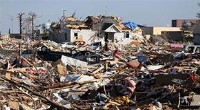
1. Weathering and Erosion:
* Weathering: Igneous and metamorphic rocks are exposed to the elements (rain, wind, ice, temperature changes). These forces break down the rocks into smaller pieces (sediments) through:
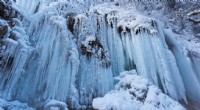
* Physical weathering: Freezing/thawing, abrasion, pressure release.
* Chemical weathering: Dissolution, oxidation, hydrolysis.
* Erosion: The broken-down sediments are then transported away from their original location by wind, water, or ice.
2. Deposition:
* As the transporting force loses energy (e.g., a river slows down), the sediments settle out and accumulate in layers. This process of dropping the sediments is called deposition.
3. Compaction and Cementation:
* Compaction: The weight of overlying layers presses down on the deposited sediments, squeezing out water and air, causing them to become more tightly packed.
* Cementation: Minerals dissolved in groundwater precipitate between the sediment grains, acting like glue to bind them together.
4. Lithification:
* Compaction and cementation transform loose sediments into solid, coherent sedimentary rocks.
Summary:
The process of transforming igneous or metamorphic rocks into sedimentary rocks involves a series of physical and chemical processes that break down, transport, deposit, and solidify the original rock. This process can be summarized as:
Igneous/Metamorphic Rock → Weathering & Erosion → Transportation → Deposition → Compaction & Cementation → Lithification → Sedimentary Rock