1. Tectonic Activity:
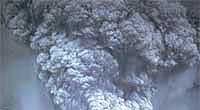
* Volcanic eruptions: Volcanic ash and other pyroclastic materials can become incorporated into sediments, altering their composition and potentially forming tuffaceous sedimentary rocks.
* Earthquakes: Earthquakes can cause landslides and uplift, exposing new rock surfaces to erosion and altering sedimentation patterns.
* Mountain building: The uplift of mountains can create new topographic features, impacting drainage patterns and the distribution of sediments.
2. Climate Change:
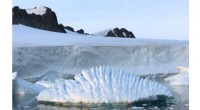
* Glaciation: Glaciers carve valleys, erode rock, and deposit massive quantities of glacial till (unconsolidated sediments). This can lead to the formation of tillites, a type of sedimentary rock.
* Sea level changes: Sea level fluctuations expose or submerge coastal areas, affecting the types of sediments deposited and the resulting sedimentary rocks.
* Droughts and floods: Droughts can lead to increased erosion and the deposition of finer sediments, while floods can transport and deposit larger sediment grains, influencing rock formation.
3. Atmospheric and Hydrologic Events:
* Wind erosion: Wind can transport sand and dust, depositing them in layers to form sandstone or loess deposits.
* Storms and hurricanes: Extreme weather events can cause massive erosion and deposition of sediments, influencing the composition and structure of sedimentary rocks.
* River floods: Floods transport and deposit sediments of various sizes, forming fluvial deposits like gravel, sand, and mud.
4. Biological Processes:
* Organisms: Marine organisms like coral, shellfish, and foraminifera contribute to the formation of limestones. Plant matter can be incorporated into sediments, leading to the formation of coal.
* Bioturbation: Burrowing animals and plants can mix and alter sediments, impacting their physical and chemical properties and influencing rock formation.
5. Chemical Processes:
* Weathering: Weathering breaks down existing rocks into smaller fragments, contributing to the sediment pool.
* Dissolution: Water can dissolve minerals in rocks, transporting them in solution and potentially depositing them as sedimentary minerals.
* Evaporation: Evaporation of water can lead to the precipitation of minerals, forming evaporites like gypsum and halite.
Impact on Sedimentary Rock Formation:
These natural events can affect:
* Sediment source: The type and quantity of sediment available for deposition.
* Sediment transport: How sediments are moved and distributed.
* Depositional environment: The conditions under which sediments are deposited (e.g., ocean, lake, desert).
* Diagenesis: The physical and chemical changes that sediments undergo after deposition, leading to rock formation.
Understanding the influence of these natural events is crucial for interpreting the geological history of sedimentary rocks and understanding the Earth's past.