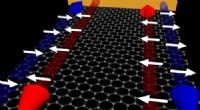
1. Plate Divergence: Two tectonic plates move apart from each other. This can happen at mid-ocean ridges, where new oceanic crust is being created, or on continents.
2. Upwelling Magma: As plates move apart, the pressure beneath the Earth's surface decreases. This allows magma, molten rock from the mantle, to rise upwards.
3. Faulting and Subsidence: The upwelling magma exerts pressure on the overlying crust, causing it to crack and fracture along fault lines. The blocks of crust on either side of the fault move downward, creating a depression or valley.
4. Continued Extension: As the plates continue to move apart, the rift valley widens. The area along the rift can experience volcanic activity, earthquakes, and geothermal activity due to the rising magma.
5. Formation of a New Ocean Basin: In some cases, the rift valley can eventually widen and deepen to become an ocean basin. This is how new oceans form.
Examples of Rift Valleys:
* The East African Rift Valley: A series of interconnected valleys stretching over 3,000 miles (4,800 km) across eastern Africa. It is a classic example of a continental rift valley.
* The Mid-Atlantic Ridge: A massive underwater mountain range that runs down the center of the Atlantic Ocean. It is an example of a mid-ocean ridge, where new oceanic crust is formed.
Key Factors in Rift Valley Formation:
* Plate Movement: The speed and direction of plate movement influence the rate and shape of rift valley formation.
* Magma Activity: The amount and location of magma upwelling play a significant role in the depth, width, and volcanic activity of the rift valley.
* Crustal Strength: The thickness and composition of the Earth's crust affect how it responds to the forces of plate divergence.
In summary, rift valleys are formed by the pulling apart of tectonic plates, which leads to magma upwelling, faulting, and subsidence. This process can create spectacular landforms, and in some cases, even lead to the formation of new oceans.