Here's a breakdown of how it happens:
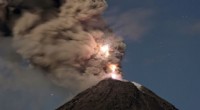
* Heat: The most important factor in metamorphism is heat. This can come from the Earth's interior, like magma rising from deep underground, or from the friction of tectonic plates grinding against each other. The heat causes the minerals in the original rock to recrystallize and rearrange.
* Pressure: As rocks are buried deeper in the Earth, the weight of the overlying rock creates immense pressure. This pressure can cause the mineral grains to become more tightly packed and aligned, creating a more compact and sometimes layered structure.
* Fluids: Hot fluids, often containing dissolved minerals, circulate through rocks. These fluids can react with the existing minerals, causing chemical changes and new mineral formation.
The Result:
The combination of heat, pressure, and fluids transforms the original rock's texture, mineral composition, and sometimes even its chemical composition. This creates a new type of rock called metamorphic rock, which can have very different properties than its original form.
Examples of Metamorphic Rocks:
* Marble: Formed from limestone under heat and pressure.
* Slate: Formed from shale under pressure.
* Gneiss: Formed from granite or other igneous rocks under high heat and pressure.
* Quartzite: Formed from sandstone under heat and pressure.
Let me know if you have any other questions about metamorphic rocks!