1. Weathering: This refers to the physical and chemical breakdown of rocks at the Earth's surface.
* Physical Weathering:
* Frost wedging: Water seeps into cracks, freezes, expands, and puts pressure on the rock, causing it to break.
* Thermal expansion and contraction: Rocks expand when heated and contract when cooled. This repeated expansion and contraction can cause the rock to break.
* Abrasion: Rocks are rubbed together by wind, water, or ice, wearing them down.
* Root wedging: Tree roots grow into cracks in rocks, forcing them apart.
* Chemical Weathering:
* Dissolution: Some rocks, like limestone, are dissolved by acidic water.
* Oxidation: Iron in rocks reacts with oxygen, forming rust, which weakens the rock.
* Hydrolysis: Water reacts with minerals in rocks, breaking them down.
2. Erosion: This refers to the transportation of weathered rock fragments by wind, water, or ice.
* Wind erosion: Wind picks up and carries away loose rock fragments.
* Water erosion: Rivers, streams, and waves carry away rock fragments, carving out valleys and canyons.
* Glacial erosion: Glaciers scrape and carve out rock as they move.
3. Biological processes:
* Plant growth: Plant roots can wedge into rocks and break them apart.
* Burrowing animals: Animals like rabbits and moles can loosen and move soil and rock.
* Lichens and mosses: These organisms release chemicals that can break down rocks.
4. Mass wasting:
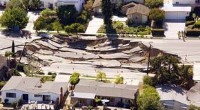
* Landslides: Rapid movements of rock and soil down a slope.
* Creep: Slow, gradual movement of soil and rock downslope.
5. Tectonic activity:
* Earthquakes: Earthquakes can cause rocks to fracture and break apart.
* Volcanic activity: Volcanic eruptions can pulverize rocks and deposit ash and lava, which can alter existing rocks.
The interplay of these processes contributes to the cycle of rock formation and destruction, constantly shaping the Earth's surface.