1. Intrusive Igneous Rocks:
* Intrusions: When magma pushes its way through existing sedimentary layers, it can displace, tilt, or break them. This creates features like dikes (vertical intrusions) and sills (horizontal intrusions).
* Contact Metamorphism: The heat from the magma can bake and alter the surrounding sedimentary rocks, changing their texture, mineralogy, and even creating new minerals. This is known as contact metamorphism.
2. Extrusive Igneous Rocks:
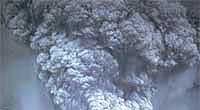
* Volcanic Eruptions: Explosive volcanic eruptions can destroy existing sedimentary layers and deposit new layers of volcanic ash and debris. This can create layers of volcanic tuff or breccia within the sedimentary sequence.
* Lava Flows: Lava flows can bury and obliterate sedimentary layers, forming a new igneous layer.
3. Other Processes:
* Faulting: If an igneous intrusion or volcanic activity occurs along a fault line, it can displace and break the sedimentary layers on either side of the fault.
* Erosion and Deposition: Igneous rocks can be eroded and their fragments incorporated into younger sedimentary layers, potentially disturbing their original formation.
Examples:
* Batholiths: Large, intrusive igneous bodies can uplift and deform surrounding sedimentary rocks.
* Volcanic Caldera: A large depression formed by a volcanic eruption can expose and disrupt underlying sedimentary layers.
* Lava Flows: Ancient lava flows can be found interlayered with sedimentary rocks, indicating volcanic activity during the sedimentary deposition.
Overall, igneous rocks can significantly impact sedimentary layers, leaving behind a complex and sometimes chaotic geological record. By understanding how these processes interact, geologists can interpret the history of a region and unravel the complexities of Earth's geological evolution.