1. Physical Weathering:
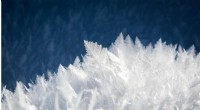
* Frost Wedging: Water seeps into cracks in rocks, freezes, expands, and breaks the rock apart.
* Thermal Expansion and Contraction: Extreme temperature changes can cause rocks to expand and contract, leading to fracturing.
* Abrasion: Rocks are ground down by friction from windblown sand, moving water, or glaciers.
* Root Wedging: Plant roots can grow into cracks in rocks and exert pressure, breaking them apart.
2. Chemical Weathering:
* Oxidation: Oxygen reacts with minerals in rocks, changing their composition and weakening them.
* Hydrolysis: Water reacts with minerals in rocks, breaking them down into new compounds.
* Carbonation: Carbon dioxide dissolved in rainwater forms carbonic acid, which can dissolve certain minerals in rocks.
* Biological Weathering: Organisms like lichens, mosses, and bacteria can produce acids that break down rocks.
3. Biological Weathering:
* Organic acids: Plants and animals release acids that can dissolve minerals in rocks.
* Burrowing animals: Animals like earthworms and moles can break up rocks and mix them with organic matter.
* Root growth: Plant roots can exert pressure on rocks, breaking them down.
4. Erosion:
* Wind: Wind can carry sand and other particles that abrade rocks, as well as transport weathered rock fragments.
* Water: Moving water (rain, rivers, etc.) can erode rocks, carrying away sediment.
* Gravity: Gravity pulls weathered rock fragments downhill, contributing to soil formation.
5. Decomposition:
* Organic matter from dead plants and animals decomposes, adding nutrients and humus to the soil.
These processes work together over long periods to break down rocks into smaller particles, creating soil with varying textures, structures, and compositions. The type of soil that forms depends on the parent rock, the climate, the topography, and the organisms present.