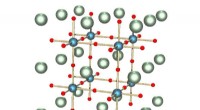
* Initial Formation: The basic building blocks of limestone are calcium carbonate (CaCO3) shells and skeletons of marine organisms like corals, mollusks, and plankton. These organisms absorb calcium carbonate from seawater and use it to build their hard parts.
* Accumulation: Over time, the shells and skeletons of these organisms accumulate on the seafloor, forming layers of sediment.
* Compaction and Cementation: As more sediment accumulates, the weight of the overlying layers compresses the lower layers. This pressure forces out water and other fluids, and the sediment particles begin to bind together.
* Lithification: Over millions of years, the sediment is transformed into solid rock through a process called lithification. This involves the precipitation of minerals within the sediment, further solidifying the rock.
Factors influencing formation time:
* Rate of biological productivity: The faster marine organisms produce calcium carbonate, the faster limestone can form.
* Sedimentation rate: The faster sediment accumulates, the faster limestone can form.
* Geologic processes: Processes like plate tectonics and mountain building can uplift limestone deposits, exposing them to weathering and erosion, which can affect their formation time.
In summary: Limestone formation is a lengthy and complex process that spans millions of years. It's a fascinating example of how geological time scales influence the Earth's natural history.