* Elastic Deformation: This is a temporary change in shape that is reversible. When the stress is removed, the rock returns to its original shape. Think of a rubber band stretching and then returning to its original length. This type of deformation is common in shallow rocks where pressures are relatively low.
* Ductile Deformation: This is a permanent change in shape that occurs when rocks are subjected to high pressure and temperature. The rock flows and bends, much like a piece of clay. This deformation is often seen in deep underground settings where temperatures and pressures are high. Examples include folding and faulting.
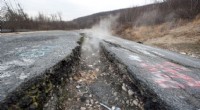
* Brittle Deformation: This is a permanent change in shape that occurs when rocks fracture or break. This happens when the stress exceeds the rock's strength, causing it to shatter or crack. This is common in shallow rocks where pressures are relatively low. Examples include joints and faults.
Important Notes:
* The type of deformation that occurs depends on several factors, including the type of rock, the amount of stress applied, the temperature, and the confining pressure.
* Rocks can exhibit a combination of these deformation types. For instance, a rock might initially deform elastically but then transition to brittle or ductile deformation as the stress increases.
Let me know if you'd like more details on any of these types of deformation!