Tectonic Plates and Plate Boundaries:
* The Earth's crust is broken into massive, moving pieces called tectonic plates. These plates are constantly shifting and interacting with each other.
* The boundaries between these plates are where most of the world's earthquake and volcanic activity occurs.
Types of Plate Boundaries:
1. Divergent Boundaries: Where plates move apart.
* Magma (molten rock) rises from the mantle to fill the gap, creating new crust.
* This process often results in volcanic activity along mid-ocean ridges and rift valleys.
* Example: The Mid-Atlantic Ridge.
2. Convergent Boundaries: Where plates collide.
* Subduction Zones: One plate (usually denser oceanic crust) slides beneath the other (continental crust).
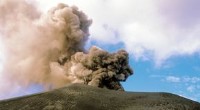
* This process generates intense earthquakes and volcanic activity along the subduction zone.
* Example: The Ring of Fire, encircling the Pacific Ocean.
3. Transform Boundaries: Where plates slide horizontally past each other.
* This motion causes friction, which leads to earthquakes.
* Example: The San Andreas Fault in California.
Other Factors:
* Hot Spots: Areas where plumes of hot magma rise from deep within the Earth's mantle, creating volcanic activity in the middle of tectonic plates.
* Example: The Hawaiian Islands.
Conclusion:
The location of earthquake and volcano activity zones is primarily determined by the interaction of tectonic plates. The movement and collisions of these plates create the conditions necessary for seismic activity and volcanic eruptions.