Here's a breakdown:
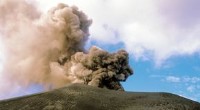
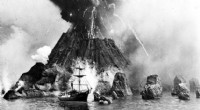
* Igneous rocks are formed from the cooling and solidification of magma (molten rock) or lava. These include granite, basalt, and obsidian.
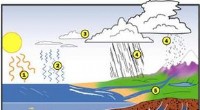
* Sedimentary rocks are formed from the accumulation and cementation of sediments, which are fragments of other rocks, minerals, or organic matter. These include sandstone, limestone, and shale.
* Metamorphic rocks are formed when existing igneous or sedimentary rocks are transformed by heat, pressure, or chemical reactions. These include marble, slate, and gneiss.
While these three types make up the vast majority of the Earth's surface, it's important to note that:
* The distribution of these rock types is uneven. For example, igneous rocks are more common in areas with volcanic activity, while sedimentary rocks are more common in areas with erosion and deposition.
* There are other, rarer rock types, such as ultramafic rocks, which are found deep within the Earth's mantle.
So, the Earth's surface is a complex mosaic of different rock types, each with its own unique history and formation process.