1. Types of Water Erosion:
* Sheet Erosion: This is the most common type, where water flows over the land in a thin sheet, gradually removing a layer of soil.
* Rill Erosion: As sheet erosion progresses, small channels called rills develop, creating a more concentrated flow of water.
* Gully Erosion: When rills deepen and widen, they become gullies, which can be significant features in the landscape.
* Streambank Erosion: Running water erodes the banks of streams and rivers, causing them to widen and change shape.
2. The Effects of Water Erosion:
* Loss of Topsoil: The most fertile topsoil is often lost due to erosion, impacting agricultural productivity.
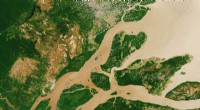
* Sedimentation: Eroded soil is carried downstream and deposited in rivers, lakes, and reservoirs, causing sedimentation and environmental problems.
* Landslides: Erosion can weaken slopes, making them more prone to landslides.
* Change in Landscape: Over time, water erosion can significantly alter the shape of the land, creating valleys, canyons, and other features.
It's important to remember that water erosion is a continuous process that can have significant effects on the environment, agriculture, and infrastructure.