1. Tectonic Uplift:
* Faulting: When tectonic plates collide, the pressure can cause the Earth's crust to fracture. This creates faults, where blocks of rock move vertically or horizontally. This movement can uplift rock formations, leading to sharp ridges and peaks.
* Folding: The immense pressure from colliding plates can also fold rock layers. This folding creates mountain ranges with sharp peaks, like the Himalayas.
2. Erosion:
* Glaciers: As glaciers move across the landscape, their massive weight and ice crystals carve deep valleys and sharp ridges. They also freeze and thaw water, which expands and contracts, further breaking down rock.
* Weathering: The constant exposure to wind, rain, snow, and ice can break down rock into smaller pieces. This process is called weathering.
* Frost Wedging: Water seeps into cracks in rocks, freezes, expands, and breaks the rock apart.
3. Igneous Intrusions:
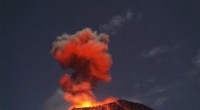
* Volcanic Activity: Magma rising from deep within the Earth can push up through the crust, creating mountains. When volcanic eruptions occur, they often create jagged peaks and craters.
4. Rock Type:
* Hard Rocks: Mountains formed from hard, resistant rocks like granite tend to retain their sharp edges for longer periods, resisting erosion.
* Soft Rocks: Mountains formed from softer rocks like sandstone erode more quickly and tend to have less sharp peaks.
5. Time:
* Erosion over Time: The longer a mountain is exposed to erosion, the more likely it is to become rounded and smooth. However, some mountains remain sharp due to their resistant rock type or the ongoing effects of glacial activity.
In Summary: The combination of tectonic uplift, erosion, rock type, and time plays a crucial role in shaping the sharp and jagged forms of mountains.