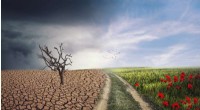
Land:
* Arid: The defining feature is low rainfall, usually less than 10 inches per year. This creates a dry, parched environment.
* Sandy or rocky: Depending on the type of desert, the landscape can be vast expanses of sand dunes, rugged mountains, or barren rocky plateaus.
* Limited vegetation: Plants are sparse and adapted to survive with minimal water. Think cacti, succulents, and hardy shrubs.
* Extreme temperatures: Deserts experience intense heat during the day and cold nights, with significant temperature swings.
Animals:
* Adapted to survive: Desert animals are masters of water conservation, with adaptations like thick fur, nocturnal habits, and efficient kidneys.
* Diverse creatures: You might find reptiles like lizards and snakes, insects like scorpions and beetles, mammals like coyotes and desert foxes, and birds like roadrunners and owls.
* Camouflage and burrowing: Many animals rely on camouflage to blend into their surroundings and burrowing to escape the extreme temperatures.
Other features:
* Limited water sources: Water is scarce, often found in oases, springs, or underground sources.
* Strong winds: Deserts are known for their powerful winds, which can sculpt dunes and carry dust and sand.
* Unique soil: The soil in deserts is often poor in nutrients and can be salty due to evaporation.
Types of deserts:
* Hot and dry deserts: Think of the Sahara Desert in Africa, with scorching temperatures and minimal rainfall.
* Cold deserts: Like the Gobi Desert in Asia, cold deserts experience harsh winters with low rainfall.
* Coastal deserts: These deserts are influenced by cold ocean currents, creating cooler temperatures and fog.
Challenges:
* Limited resources: Scarcity of water and food is a constant challenge for desert life.
* Extreme temperatures: Adapting to intense heat and cold requires specialized adaptations.
* Erosion: Winds can cause significant erosion, impacting the landscape and habitats.
Importance:
* Biodiversity: Deserts are home to a unique and valuable array of life.
* Ecosystem services: They play important roles in regulating climate, storing carbon, and providing resources like minerals.
* Cultural value: Deserts have been home to indigenous cultures for millennia, holding significant cultural and spiritual significance.
Protecting deserts:
* Conservation efforts: Protecting desert ecosystems is crucial for the survival of their diverse species and the services they provide.
* Sustainable practices: Managing resources responsibly and reducing human impact are essential for the long-term health of deserts.
By understanding the challenges and importance of desert ecosystems, we can work towards protecting these fragile and fascinating landscapes for future generations.