1. Climate Reconstruction:
* Temperature: The thickness of each ice layer reflects the amount of snowfall in a particular year. This data can be used to reconstruct past temperature variations over hundreds of thousands of years, revealing cycles of glacial and interglacial periods.
* Precipitation: The thickness and composition of the ice layers also provide information about past precipitation levels, helping us understand long-term changes in weather patterns.
* Atmospheric Composition: Trapped air bubbles within the ice cores contain samples of the ancient atmosphere. By analyzing the composition of these bubbles, scientists can determine the concentration of greenhouse gases like carbon dioxide and methane in the past. This data is crucial for understanding the relationship between greenhouse gas levels and past climate changes.
2. Volcanic Eruptions:
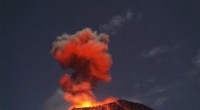
* Ash Layers: Volcanic eruptions often deposit layers of ash within the ice. Analyzing these ash layers allows scientists to determine the timing and intensity of past volcanic events, providing insights into volcanic activity over time.
* Atmospheric Impact: By studying the chemical composition of ash layers, researchers can understand the impact of volcanic eruptions on the atmosphere, such as changes in atmospheric composition and potential effects on climate.
3. Solar Activity:
* Cosmic Rays: Ice cores contain traces of cosmogenic isotopes, which are produced when cosmic rays interact with the atmosphere. The concentration of these isotopes in ice layers reveals past variations in solar activity, helping us understand the Sun's influence on Earth's climate.
4. Environmental Changes:
* Pollutants: Ice cores contain traces of industrial pollutants, such as heavy metals and persistent organic pollutants. By analyzing the presence and concentration of these pollutants, scientists can track the history of human impact on the environment.
* Past Environments: Ice cores can also provide information about past environments, such as the presence of vegetation and the type of animals that lived in the region.
5. Dating and Chronology:
* Ice Layer Counting: By counting the individual ice layers, scientists can determine the age of the ice core, providing a precise chronology for the geological record preserved within it.
In conclusion, ice cores are a powerful tool for understanding Earth's past, providing insights into climate, atmospheric composition, volcanic activity, solar activity, and environmental changes over long periods. Their importance lies in their ability to reveal the complex interactions between the Earth's systems and the driving forces of change over time.