1. Physical Weathering:
- Temperature Fluctuations: Freezing and thawing of water in cracks of the rock can cause expansion and contraction, leading to fragmentation.
- Abrasion: Rocks rub against each other, creating smaller pieces. This can happen due to wind, glaciers, or water flow.
2. Chemical Weathering:
- Water: Water dissolves minerals in rocks, breaking them down.
- Oxidation: Oxygen reacts with minerals, changing their composition and breaking down the rock.
- Hydrolysis: Water reacts with minerals, forming new compounds that are often more easily dissolved.
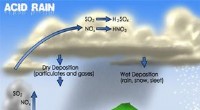
- Acid Rain: Acidic precipitation can accelerate the chemical weathering process.
3. Biological Weathering:
- Plants: Plant roots can grow into cracks in rocks and exert pressure, breaking them apart.
- Microorganisms: Bacteria and fungi release acids that dissolve minerals and break down rock.
- Lichens: These organisms can grow on rocks and release acids that help break them down.
Once the bedrock is broken down into smaller particles, the process of soil formation truly begins. These particles mix with organic matter (decomposed plant and animal material) and other materials, creating the layers we know as soil horizons.
Key factors influencing soil formation:
* Parent Material: The type of rock that is weathered determines the initial mineral composition of the soil.
* Climate: Temperature, precipitation, and humidity influence the rate of weathering and the types of organisms that can live in the soil.
* Topography: The slope of the land affects drainage, erosion, and the depth of the soil.
* Organisms: Plants, animals, and microorganisms contribute to soil formation by adding organic matter, creating pores, and altering the chemical composition of the soil.
* Time: Soil formation is a slow process that can take hundreds or even thousands of years.
It's important to remember that soil formation is a continuous and dynamic process. Even after the initial stages of weathering, the soil continues to evolve and change over time.