Igneous Rocks and Radiometric Dating:
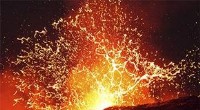
* Igneous rocks are formed from the cooling and solidification of molten rock (magma or lava). They are the most suitable rocks for radiometric dating because they contain radioactive isotopes that decay at a predictable rate.
* Radiometric dating relies on the principle that certain radioactive isotopes (like uranium, potassium, or carbon) decay into stable daughter isotopes at a known rate. By measuring the ratio of parent to daughter isotopes, scientists can calculate the age of the rock.
Why Radiometric Dating Works:
1. Known Decay Rates: The decay rates of radioactive isotopes are constant and have been experimentally determined.
2. Closed System: Radiometric dating works best on rocks that have been a closed system since their formation. This means there hasn't been any significant loss of parent or daughter isotopes due to processes like weathering or erosion. Igneous rocks, particularly those formed deep underground, often meet this requirement.
3. Accurate Measurement: Advanced techniques allow scientists to measure the ratio of isotopes with high precision, leading to accurate age estimates.
Sedimentary Rocks and Radiometric Dating:
* Sedimentary rocks are formed from the accumulation and cementation of sediments. They are generally not ideal for radiometric dating because:
* Mixed Ages: Sediments are derived from different sources, so the rocks contain minerals with varying ages.
* Recrystallization: The process of forming sedimentary rocks often involves changes to the original minerals, making dating less reliable.
* Fossil Evidence: While sedimentary rocks don't usually work for radiometric dating, they often contain fossils. The age of the fossils can provide an indirect estimate of the rock's age.
How Scientists Use Dating Information:
* Igneous rocks are often used to date surrounding sedimentary rocks. This is because igneous rocks can be dated directly, and the sedimentary layers are often deposited around the time the igneous rock formed.
* Scientists might use other techniques, like biostratigraphy (dating based on fossils), to provide additional context for the age of sedimentary rocks.
In summary: Radiometric dating works best on igneous rocks because of their closed system, known decay rates, and ability to be dated directly. This information helps us understand the age of surrounding sedimentary rocks.