Weathering: The Breakdown
* Physical Weathering: This process breaks down rocks into smaller pieces without changing their chemical composition. Examples include:
* Frost wedging: Water freezes in cracks, expands, and widens the cracks.
* Thermal expansion and contraction: Temperature changes cause rocks to expand and contract, leading to fractures.
* Abrasion: Rocks rub against each other, grinding them down.
* Chemical Weathering: This process alters the chemical composition of rocks, breaking them down. Examples include:
* Oxidation: Oxygen reacts with minerals, forming oxides like rust.
* Hydrolysis: Water reacts with minerals, changing their composition.
* Carbonation: Carbon dioxide dissolves in water to form carbonic acid, which reacts with minerals.
Erosion: The Transport
* Erosion: This process involves the movement of weathered rock fragments and other materials by agents like:
* Wind: Carries fine particles like dust and sand.
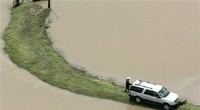
* Water: Carries sediments in rivers, streams, and oceans.
* Glaciers: Scrape and transport rocks and soil.
* Gravity: Moves rock and soil downslope.
The Link: Soil Creation
1. Weathering provides the raw materials: The breakdown of rocks through weathering creates smaller particles, minerals, and organic matter – the building blocks of soil.
2. Erosion moves the materials: Erosion transports these materials from their original source and deposits them in new locations, often in valleys, floodplains, or depressions.
3. Accumulation and Decomposition: As weathered material accumulates, it mixes with organic matter from decaying plants and animals. This organic matter provides nutrients and improves soil structure.
4. Soil Development: Over time, soil develops layers (horizons) with varying properties due to weathering, erosion, and biological activity. This process is influenced by factors like climate, topography, parent material, and organisms.
In summary: Weathering provides the ingredients for soil, and erosion helps to transport and deposit them. The combination of these processes, along with biological activity, leads to the gradual formation of fertile soil.