1. Evaporation & Transpiration:
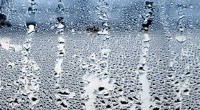
* Evaporation: A significant portion of precipitation evaporates back into the atmosphere. This happens when water absorbs heat from the sun and turns into water vapor.
* Transpiration: Plants also contribute to water returning to the atmosphere. They absorb water from the ground and release it as vapor through tiny pores on their leaves (transpiration).
2. Infiltration & Groundwater:
* Infiltration: Some precipitation soaks into the ground, a process called infiltration. The amount depends on the soil type, the amount of vegetation, and the ground's saturation level.
* Groundwater: Water that infiltrates the ground eventually reaches the groundwater table, which is a layer of saturated soil and rock below the Earth's surface. This groundwater is a vital source of drinking water for many communities.
3. Surface Runoff:
* Surface Runoff: When the ground is saturated, or if the precipitation falls too fast for it to absorb, water flows over the surface as runoff. This can carry pollutants and sediment, impacting water quality and contributing to erosion.
* Rivers & Lakes: Runoff often collects in rivers, streams, and lakes, eventually making its way back to the ocean.
4. Snow & Ice:
* Snow & Ice: In colder climates, precipitation can fall as snow or freeze into ice. This water is stored for a period of time before melting and contributing to the other pathways.
5. Ocean:
* Ocean: Ultimately, much of the precipitation that falls on land ends up in the ocean, where it evaporates to start the water cycle all over again.
The journey of precipitation is a continuous cycle, with water constantly moving between the atmosphere, land, and ocean.