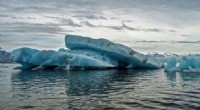
* Glacial Erosion: Glaciers are massive, slow-moving rivers of ice. Their immense weight and the embedded rock fragments within them carve out valleys. They scrape, scour, and pluck the bedrock, widening and deepening existing valleys.
* Characteristic Shape: The erosive power of glaciers results in a distinctive U-shaped cross-section. The valley floor is wide and flat, while the sides are steep and often have a characteristic "truncated" (straightened) appearance.
Other agents of erosion that might contribute to the formation of U-shaped valleys:
* Rivers: While less powerful than glaciers, rivers can also erode valleys, but they typically create V-shaped valleys. However, rivers can sometimes widen and deepen pre-existing U-shaped valleys formed by glaciers.
* Mass Wasting: Processes like landslides and rockfalls can contribute to the widening and deepening of valleys, including U-shaped valleys.
Key Takeaway: Glaciers are the primary agent of U-shaped valley formation, and their distinctive erosive power creates the characteristic U-shaped cross-section.