Here are the Big Five extinction events:
1. Ordovician-Silurian Extinction (443 million years ago): This event is believed to have been caused by rapid global cooling and glaciation, leading to a drop in sea level.
2. Late Devonian Extinction (375 million years ago): The cause is debated, but likely involved a combination of factors including volcanic activity, climate change, and ocean anoxia (lack of oxygen).
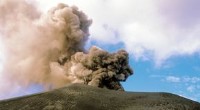
3. Permian-Triassic Extinction (252 million years ago): This was the most severe extinction event, wiping out over 90% of marine species and 70% of terrestrial vertebrate species. The main culprit was likely massive volcanic eruptions, leading to global warming, ocean acidification, and the release of toxic gases.
4. Triassic-Jurassic Extinction (201 million years ago): This event was caused by volcanic activity, leading to climate change and ocean acidification. It paved the way for the rise of dinosaurs.
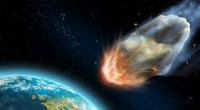
5. Cretaceous-Paleogene Extinction (66 million years ago): The most famous extinction event, caused by the impact of a large asteroid. It led to the extinction of the dinosaurs and many other species.
These events serve as a reminder of the fragility of life on Earth and the potential for catastrophic events to reshape the planet.