Erosion:
* The Process: Erosion is the process by which natural forces like wind, water, and ice wear away and transport rock, soil, and other materials from one place to another.
* What it does: Erosion breaks down and removes material, carving out canyons, shaping mountains, and altering coastlines.
Deposition:
* The Process: Deposition is the process where the eroded material is dropped, or deposited, in a new location.
* What it does: Deposition builds up landforms, creating deltas, sand dunes, and alluvial fans.
The Interconnection:
* Erosion is the source: Erosion provides the material that will be deposited.
* Deposition is the result: The material carried by erosive forces eventually loses energy and settles, creating new landforms.
* A constant cycle: Erosion and deposition are constantly occurring, working together to reshape the Earth's surface.
Examples:
* Rivers: Rivers erode their channels and carry sediment downstream. As the river slows down, it deposits sediment to create a delta at its mouth.
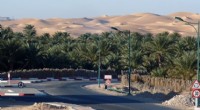
* Wind: Wind can erode rock and soil, creating sand dunes. When the wind slows down, it deposits the sand, building up the dune.
* Glaciers: Glaciers can erode valleys, carving out U-shaped valleys. As the glacier melts, it deposits the rock and soil it has carried, creating glacial moraines.
In essence, erosion and deposition are like two sides of the same coin. Erosion is the process of removing material, and deposition is the process of adding it back, resulting in a continuous reshaping of the Earth's landscape.