* Plate Tectonics: The Earth's outer layer (the lithosphere) is made up of massive plates that are constantly moving. These plates interact at their boundaries, causing a variety of geological phenomena, including earthquakes.
* Types of Plate Boundaries:
* Convergent Boundaries: Plates collide, causing one plate to slide under the other (subduction). This creates immense pressure and stress, resulting in earthquakes. Examples: The Pacific Ring of Fire, the Himalayas.
* Divergent Boundaries: Plates move apart, creating new crust. This process also causes earthquakes, although usually smaller and less frequent than those at convergent boundaries. Examples: The Mid-Atlantic Ridge.
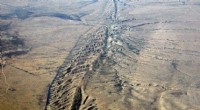
* Transform Boundaries: Plates slide past each other horizontally. This friction creates stress that is released through earthquakes. Examples: The San Andreas Fault.
Therefore, the locations of most earthquakes align with the boundaries between these tectonic plates.
Note: While the vast majority of earthquakes occur at plate boundaries, there are some exceptions. Earthquakes can also occur within plates, known as intraplate earthquakes. These are usually less frequent and less severe than those at plate boundaries.