* Climate:
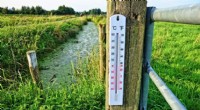
* Temperature: Fluctuations in temperature can cause physical weathering like freeze-thaw cycles. Hot climates promote chemical weathering.
* Precipitation: Water is essential for chemical weathering reactions and can also contribute to physical weathering through erosion.
* Rock Type:
* Mineralogy: Some minerals are more resistant to weathering than others. For example, quartz is very resistant, while feldspar is more susceptible.
* Rock Structure: Joints, fractures, and bedding planes in rocks provide pathways for water and air to penetrate, accelerating weathering.
* Topography:
* Slope: Steeper slopes experience faster erosion, which can expose fresh rock to weathering.
* Elevation: Higher elevations are often subject to greater temperature fluctuations and freeze-thaw cycles.
* Biological Activity:
* Plants: Roots can break up rock, and decaying organic matter produces acids that contribute to chemical weathering.
* Animals: Burrowing animals can expose new rock surfaces to weathering.
* Human Activity:
* Construction: Excavation and blasting can expose bedrock to weathering.
* Pollution: Acid rain can significantly accelerate weathering.
In general, a combination of these factors working together will have the most profound effect on weathering rates.
For example, in a hot, humid climate, chemical weathering will be the dominant process, especially if the bedrock is composed of easily weathered minerals. However, in a cold, dry climate, physical weathering processes like freeze-thaw cycles may be more significant.
Therefore, it is crucial to consider all these factors in relation to the specific environment when assessing the dominant influence on weathering rate.