1. Sedimentary Deposition:
* Sand and Gravel Deposits: Rivers, streams, and coastal areas often deposit layers of sand and gravel, which have high porosity (spaces between grains) and permeability (connectedness of spaces). These layers are ideal for storing and transmitting groundwater.
* Loess Deposits: Wind-blown silt, known as loess, can form thick deposits that are porous and permeable, often creating important aquifers.
2. Weathering and Erosion:
* Fracturing and Dissolution: Weathering processes like freeze-thaw cycles, chemical reactions, and root growth can fracture rocks, creating pathways for water to flow. Dissolution of soluble rocks like limestone and dolomite by acidic rainwater can create extensive cave systems and karst aquifers.
3. Tectonic Activity:
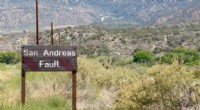
* Folding and Faulting: Tectonic forces can fold and fault rock layers, creating spaces for groundwater to accumulate.
* Volcanic Activity: Lava flows can create porous and permeable layers, while volcanic ash deposits can contribute to aquifer formation.
4. Glacial Activity:
* Glacial Outwash Deposits: Melting glaciers deposit vast amounts of sand and gravel, forming extensive aquifers.
* Glacial Erosion: Glaciers can erode bedrock, creating valleys and depressions that can later fill with water.
5. Deposition by Groundwater:
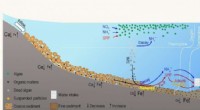
* Groundwater Flow: The movement of groundwater can dissolve minerals and deposit them in new locations, potentially forming new layers of porous rock.
* Evaporation and Precipitation: Evaporation of groundwater can lead to the deposition of minerals, contributing to aquifer formation.
Example Aquifer Formation:
Imagine a river flowing through a valley. Over time, the river deposits layers of sand and gravel along its banks. As the river meanders and changes course, it deposits layers of sediment, forming a thick aquifer.
Other Factors Affecting Aquifer Formation:
* Geological Structure: The shape and arrangement of rock layers influence groundwater flow and storage.
* Climate: Rainfall and evaporation rates affect the amount of water available to recharge aquifers.
* Human Activities: Pumping water, pollution, and land use changes can impact aquifer formation and availability.
It's important to remember that aquifer formation is a complex process that involves multiple geological and environmental factors. Understanding these processes is crucial for managing and protecting our water resources.