Understanding the Agents of Erosion
* Water: The most powerful erosive force, acting through:
* Rivers: Carving valleys, transporting sediment, forming deltas.
* Rain: Splash erosion, sheet erosion, gully formation.
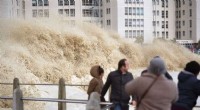
* Waves: Coastline erosion, shaping beaches, creating cliffs.
* Glaciers: Sculpting mountains, creating valleys, depositing glacial till.
* Wind: Effective in dry and arid regions, creating:
* Sand dunes: Shifting landscapes.
* Deflation: Removal of fine particles, creating depressions.
* Abrasion: Sandblasting, smoothing rock surfaces.
* Ice: Similar to water, but with more direct pressure:
* Glaciers: Carving out valleys, leaving behind U-shaped valleys and moraines.
* Frost wedging: Freezing water expands, breaking apart rocks.
* Gravity: Downward pull, leading to:
* Mass wasting: Landslides, rockfalls, mudflows.
* Soil creep: Slow, gradual movement of soil downslope.
Identifying the Dominant Agent:
1. Analyze the Climate:
* Arid Regions: Wind erosion is dominant.
* Humid Regions: Water erosion (rivers, rain) is often most impactful.
* Glaciated Regions: Ice erosion leaves its mark.
* Coastal Regions: Waves are the primary force.
2. Consider the Topography:
* Steep Slopes: Gravity-driven erosion (landslides, rockfalls) is common.
* Flat Areas: Wind or water erosion might dominate depending on climate.
* Mountains: Glaciers and water erosion are significant.
3. Examine the Landforms:
* U-shaped valleys: Glaciers.
* V-shaped valleys: Rivers.
* Sand dunes: Wind.
* Coastal cliffs: Waves.
4. Evaluate Human Impact:
* Deforestation: Increases runoff and soil erosion.
* Agriculture: Tilling can expose soil to wind and water erosion.
* Construction: Can alter slopes and increase erosion risk.
Examples:
* Grand Canyon (USA): Dominated by river erosion (Colorado River).
* Sahara Desert (Africa): Wind erosion creates vast sand dunes.
* Himalayan Mountains (Asia): Glacial erosion has sculpted the peaks.
* Pacific Coast (USA): Waves are constantly reshaping the coastline.
Remember: Erosion is a complex process, and often multiple agents work together. By considering these factors, you can determine which agent is most important in a specific area.