* Rock type: Some rocks, like granite, are more resistant to weathering than others, like limestone.
* Climate: Wet and cold climates tend to have faster rates of weathering than dry and hot climates.
* Topography: Steep slopes experience faster erosion than gentle slopes.
* Vegetation: Plant roots can break up rocks, and vegetation can slow down erosion.
* Human activity: Construction, mining, and farming can accelerate weathering and erosion.
Weathering is the process of breaking down rocks into smaller pieces. It can be physical (like freezing and thawing) or chemical (like acid rain).
Erosion is the process of transporting weathered rock fragments away from their original location. This can be done by wind, water, ice, or gravity.
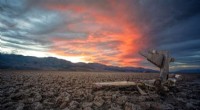
Even the hardest rocks will eventually be broken down and eroded by these processes over time. This is why we see evidence of weathering and erosion everywhere on Earth's surface, from mountains to deserts to beaches.
Here are some examples of how weathering and erosion affect rocks:
* Cracks in rocks: Freeze-thaw weathering can create cracks in rocks, which can then be widened by erosion.
* Sand dunes: Wind erosion can transport sand grains and create sand dunes.
* Canyons: Water erosion can carve out canyons and gorges.
* Soil formation: Weathering of rocks creates the soil that supports plant life.
* Landforms: Weathering and erosion shape the Earth's surface, creating mountains, valleys, and other landforms.
In conclusion, weathering and erosion are essential geological processes that shape the Earth's surface and constantly reshape our landscape. These processes affect all rocks, but the rate and intensity vary greatly depending on the factors mentioned above.