Internal Forces:
* Plate Tectonics: This is the primary driver of the rock cycle. The movement of tectonic plates causes:
* Volcanism: Magma rising from the mantle erupts, creating igneous rocks.
* Earthquakes: These can shatter existing rocks, creating new surfaces for weathering and erosion.
* Mountain Building: Collisions of tectonic plates push up mountains, exposing rocks to weathering.
* Metamorphism: Heat and pressure deep within the Earth can transform existing rocks into metamorphic rocks.
External Forces:
* Weathering: The breakdown of rocks at the Earth's surface due to:
* Physical Weathering: Freezing/thawing, wind abrasion, and plant roots breaking rocks.
* Chemical Weathering: Rainwater dissolving minerals, oxidation (rusting), and acid rain.
* Erosion: The movement of weathered rock material by:
* Wind: Carries sediment and deposits it in new locations.
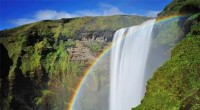
* Water: Rivers, streams, and waves transport sediment and deposit it in valleys, deltas, and ocean floors.
* Ice: Glaciers carve out valleys and transport sediment.
* Deposition: The settling of eroded material, forming sedimentary rocks.
These forces work together in a continuous cycle:
1. Magma cools and solidifies: Forming igneous rocks.
2. Igneous rocks are weathered and eroded: Creating sediments.
3. Sediments are deposited and compacted: Forming sedimentary rocks.
4. Sedimentary rocks are buried deep: Heat and pressure transform them into metamorphic rocks.
5. Metamorphic rocks can be further transformed: Melting back into magma, restarting the cycle.
The rock cycle is a continuous process that has been happening for billions of years, shaping the Earth's surface and its resources.