1. Ground-based Monitoring:
* Seismometers: Detect ground vibrations caused by magma movement, rock fracturing, and gas explosions. These vibrations are analyzed to understand the frequency, intensity, and location of volcanic activity.
* Tiltmeters and GPS: Measure changes in ground deformation caused by magma pressure building beneath the volcano. Tiltmeters detect subtle tilting of the ground, while GPS tracks movement of specific points on the surface.
* Gas Analyzers: Measure the composition and amount of gases released by the volcano, such as sulfur dioxide (SO2), carbon dioxide (CO2), and hydrogen sulfide (H2S). Changes in gas composition or emissions can indicate increased volcanic activity.
* Thermal Cameras and Satellites: Detect heat emitted from the volcano, which can indicate magma movement or active vents.
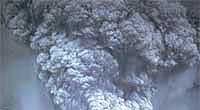
* Visual Observations: Trained volcanologists observe the volcano for signs of activity, such as steam plumes, ash eruptions, or changes in the crater.
2. Remote Sensing:
* Satellite Imagery: Provides wide-area monitoring, capturing images of the volcano and its surroundings. This data can be used to track changes in vegetation, surface deformation, and thermal anomalies.
* InSAR (Interferometric Synthetic Aperture Radar): Uses radar waves to measure ground deformation with high precision, enabling the detection of subtle changes in the volcano's surface.
3. Laboratory Analysis:
* Geochemistry: Analyzing the composition of volcanic rocks, gases, and water samples can provide information about the magma's composition, depth, and temperature.
* Petrology: Studying the physical properties of volcanic rocks helps to understand the history and evolution of the volcano.
Integrating the Data:
Data collected through these different methods are combined and analyzed to paint a comprehensive picture of the volcano's activity. This allows scientists to:
* Track the evolution of volcanic activity: Identify patterns and trends in the data that might signal increased activity.
* Predict potential eruptions: Based on the data collected, scientists can estimate the likelihood and timing of future eruptions.
* Issue warnings and alerts: Timely warnings can help authorities prepare for potential volcanic hazards and evacuate nearby populations.
Ongoing Monitoring:
Volcanic monitoring is a continuous process, with data collected and analyzed around the clock. This allows scientists to stay informed about the volcano's behavior and respond quickly to any changes.
It's important to note that no single monitoring method is perfect, and multiple methods need to be combined to provide a reliable assessment of volcanic activity. Furthermore, volcanic systems are complex and unpredictable, and eruptions can occur even with little or no prior warning.