* Water's Power: Water, whether in the form of rain, rivers, oceans, or even glaciers, has immense erosive power. It can carve out canyons, transport sediment, and reshape entire landscapes.
* Ubiquity: Water is incredibly abundant on Earth, covering about 70% of the planet's surface. This widespread presence makes it a constant erosive force.
* Multiple Erosive Mechanisms: Water erodes in a variety of ways:
* Abrasion: Water carries sediments that act like sandpaper, grinding away at rocks and surfaces.
* Hydraulic Action: The sheer force of moving water can break apart rocks and soil.
* Solution: Water can dissolve certain types of rock, particularly limestone.
* Transportation: Water carries away eroded material, moving it downstream and contributing to the reshaping of the landscape.
Other Significant Erosive Agents:
* Wind: Especially in arid regions, wind can pick up and transport sand and dust, causing deflation (removal of surface material) and abrasion.
* Glaciers: Massive ice sheets can carve out valleys, transport boulders, and reshape mountains through processes like plucking and abrasion.
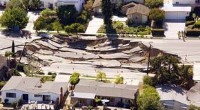
* Gravity: Gravity plays a role in mass wasting events like landslides and rockfalls, which move large amounts of material downslope.
* Humans: Human activities such as agriculture, construction, and deforestation can accelerate erosion rates.
While all these agents play a role, water's pervasive presence and multiple erosive mechanisms make it the primary force behind most erosion on Earth.