Erosion:
* Wind erosion: Dust storms in deserts, sand dunes shifting, soil erosion in agricultural fields.
* Water erosion: River carving canyons, waterfalls retreating, soil erosion from heavy rainfall.
* Glacial erosion: U-shaped valleys, cirques, glacial striations on rocks, moraine formation.
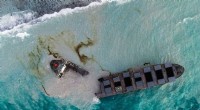
* Coastal erosion: Cliffs eroding by wave action, beaches retreating, sand dunes migrating.
* Biological erosion: Tree roots breaking up rocks, burrowing animals creating tunnels, coral reefs eroding.
Deposition:
* Wind deposition: Sand dunes forming, loess deposits (fine silt) on plains, sandstorms leaving dust layers.
* Water deposition: Alluvial fans forming at the base of mountains, deltas at river mouths, sediments settling in lakes and oceans.
* Glacial deposition: Moraines (piles of rocks and sediment), drumlins (elongated hills), kettle lakes (depressions filled with water).
* Coastal deposition: Beaches forming, spits and bars extending into the water, sandbars building up.
* Biological deposition: Shell mounds, coral reefs, peat bogs forming.
Examples combining erosion and deposition:
* River meandering: Erosion on the outside of a bend, deposition on the inside, creating a wide floodplain.
* Coastal landforms: Erosion of cliffs leading to the deposition of sand on beaches.
* Formation of valleys: Glacial erosion creating valleys, followed by deposition of sediment forming alluvial plains.
Everyday examples:
* Dust accumulating on surfaces: Wind erosion and deposition.
* Mud accumulating in the bottom of a puddle: Water erosion and deposition.
* Sediment building up in your bathtub: Water erosion and deposition.
These are just a few examples of the many ways erosion and deposition shape the Earth's surface. Both processes are constantly working together to create the landscapes we see today.