Here's the breakdown:
Soil Formation:
* Starts with bedrock: Weathering (wind, rain, ice, temperature changes) breaks down bedrock into smaller pieces.
* Organic material adds in: Dead plants and animals decompose, adding organic matter.
* Time and processes: Over long periods, these materials mix and interact with water, air, and living organisms, creating soil with distinct layers called horizons.
Sediment Formation:
* Erosion of existing materials: Wind, water, and ice erode soil, rocks, and other materials.
* Transport: These eroded materials are transported by wind, water, or ice.
* Deposition: When the transporting force loses energy, the material settles down, forming sediment.
Relationship between Soil and Sediment:
* Soil is the source: Soil can be a primary source of sediment. Erosion of topsoil leads to the formation of sediment.
* Sediment is the result: The erosion and transport of soil particles contribute to the formation of sediment.
Key differences:
* Formation: Soil forms through breakdown and decomposition, while sediment forms through erosion and transport.
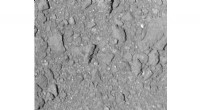
* Composition: Soil is a mixture of minerals, organic matter, water, and air. Sediment is mostly made up of weathered rock fragments and other minerals.
* Structure: Soil has layers and a complex structure. Sediment is typically loose and unstructured.
To summarise:
* Soil is a living, complex material.
* Sediment is the result of erosion, often containing soil particles.
* Soil can be eroded and become part of sediment.
Let me know if you have more questions about soil or sediment!