* Precipitation: This is the most common source of groundwater. Rain, snow, and hail infiltrate the ground, percolating through the soil and rock layers until it reaches the saturated zone where the aquifer exists.
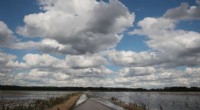
* Surface water: Rivers, lakes, and streams can also contribute to aquifers through infiltration. This happens when water levels in these surface bodies rise above the water table, allowing water to seep into the ground.
* Condensate: In some cases, water vapor in the atmosphere can condense within the soil and rocks, contributing to the recharge of aquifers.
* Ancient water: Some aquifers hold water that has been stored for thousands or even millions of years. This water may have infiltrated during wetter periods in Earth's history.
The amount of water that enters an aquifer from these sources depends on several factors, including:
* Climate: Areas with high rainfall will have more water infiltrating the ground than dry regions.
* Geology: The type of soil and rock will affect how easily water can infiltrate.
* Land use: Urbanization and agriculture can reduce infiltration by creating impervious surfaces and altering drainage patterns.
The replenishment of aquifers is a slow process, and it's essential to manage groundwater resources sustainably to avoid depletion.